


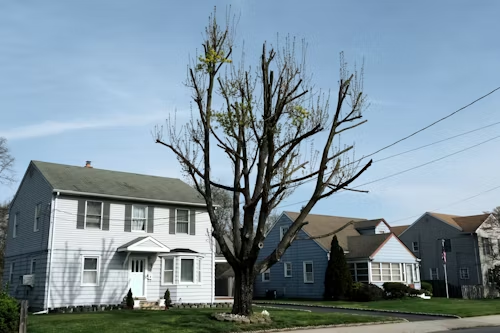
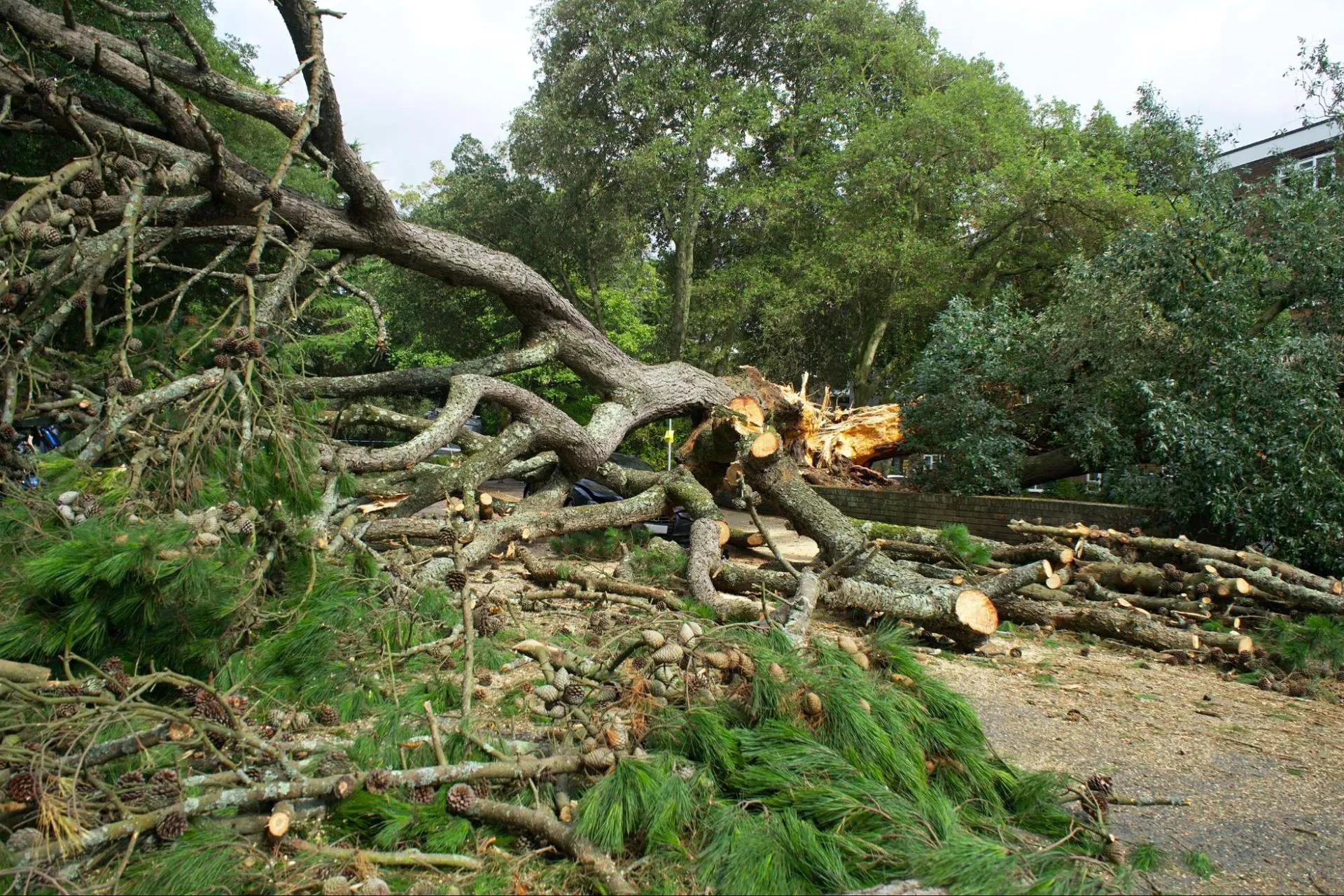
Damaged, diseased, and otherwise structurally unstable trees can become serious safety concerns. Hazardous trees may have weakened trunks, unstable root systems, dead branches, or other issues that increase the risk of falling. Because removing a dangerous tree can be complicated and hazardous, professional tree removal is the safest approach. At Busy Beavers Wood Works, we’re happy to answer your questions about hazardous tree removal in the greater Peoria, IL area. What Makes a Tree Hazardous? A tree may be considered hazardous when its condition or location creates a significant risk to people or property. Large cracks in the trunk, extensive decay, major dead branches, root damage, severe leaning, and storm damage can all contribute to instability. A tree doesn't necessarily have to look dead to pose a hazard. Structural weaknesses can sometimes be difficult to identify without professional experience. Can a Hazardous Tree Be Saved? In some cases, a tree that appears potentially hazardous may not need to be removed. Depending on its condition, an arborist may recommend pruning, cabling, bracing, monitoring, or other measures to reduce risk while preserving the tree. However, trees with severe structural defects, extensive decay, or significant instability may be beyond reasonable treatment. A professional evaluation can help determine whether preservation or removal is the most appropriate option. Why Should Hazardous Trees Be Professionally Removed? Tree removal becomes especially dangerous when a tree is unstable or located near homes, vehicles, utility lines, or other structures. Professionals have the training, equipment, and experience needed to evaluate hazards and plan a controlled removal. They can often dismantle a hazardous tree in sections rather than allowing large portions to fall, helping reduce the potential for injuries and property damage. Should a Dangerous Tree Be Removed Immediately? A tree that is actively failing, partially uprooted, or severely damaged by a storm may require immediate attention. Other hazardous trees may be scheduled for removal after a professional assessment. If you believe a tree presents an immediate danger, keep people and pets away from the area and contact a tree professional rather than attempting to inspect or remove it yourself. Where Can I Find Hazardous Tree Removal in Peoria, IL? For hazardous tree removal in Peoria, IL and the surrounding area, contact Busy Beavers Wood Works at 779-204-1931 . Feel free to give us a call to request a tree services estimate in greater Peoria!
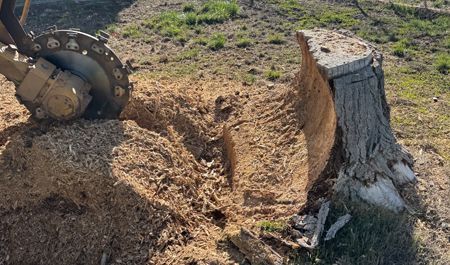
After a tree has been removed, it can be tempting to leave the remaining stump in place, especially if it doesn't seem to be causing any immediate problems. However, an old tree stump can create a variety of issues that affect your property. Professional stump grinding or removal eliminates these concerns while creating new opportunities for landscaping improvements. At Busy Beavers Wood Works, we provide expert stump grinding and removal in the greater Peoria, IL area. Here are five benefits of having tree stumps removed. Improve Your Curb Appeal An old tree stump can make even the most beautiful landscape appear partly neglected. Removing the stump creates a cleaner landscape and allows your lawn, flower beds, and other landscaping features to stand out. A well-maintained yard also makes a better impression on visitors and potential homebuyers. Eliminate Tripping Hazards Tree stumps are a common safety hazard, particularly in yards where children play or people frequently walk. Grass, leaves, or snow can partially hide a stump, making it easier for someone to trip and fall. Removing the stump helps create a safer yard by eliminating obstacles that could cause injuries. It also reduces the risk of damaging lawn equipment if the stump is accidentally struck while mowing. Discourage Insects and Pests As tree stumps decay, they can attract a variety of insects, including termites and other wood-boring pests. These insects may eventually spread. Decaying wood can also provide shelter for rodents and other pests. Removing the stump helps protect the rest of your landscape from infestations. Prevent New Tree Sprouts Some tree species continue sending up new shoots from the stump or remaining root system long after the tree has been cut down. These sprouts can become an ongoing maintenance issue. Professional stump removal eliminates the source of this regrowth. Create More Usable Outdoor Space A tree stump occupies valuable yard space that could be put to better use. Once it has been removed, you'll have more flexibility to expand your lawn, install a garden, plant a new tree, build a patio, or pursue other landscaping projects. Eliminating the stump also makes routine lawn care much easier by allowing you to mow and maintain the area without having to work around an obstacle. Stump Grinding & Removal in Peoria, IL For expert stump grinding and removal in Peoria, IL and the surrounding area, contact Busy Beavers Wood Works at 779-204-1931 . Feel free to give us a call to arrange a tree services estimate in greater Peoria, IL !
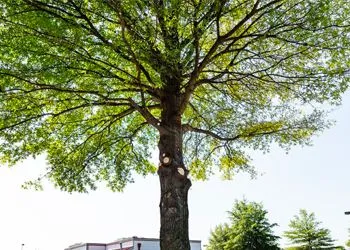
Professional tree pruning is one of the best ways to maintain attractive and structurally sound trees. Regular pruning not only improves a tree's appearance—it also helps reduce safety risks and encourages strong growth. However, many homeowners are unsure about when pruning is necessary or why it should be performed by trained professionals. At Busy Beavers Wood Works, we’re happy to answer your questions about tree pruning in the greater Peoria, IL area. Why Is Tree Pruning Important? Tree pruning removes dead, damaged, diseased, and weak branches that can negatively affect the tree's health and stability. Proper pruning also improves air circulation, increases sunlight penetration, and encourages healthy new growth. In addition, pruning helps reduce the risk of falling branches that could damage property or cause injuries. How Often Should Trees Be Pruned? The ideal pruning schedule depends on the tree species, its age, and its overall condition. Many mature trees benefit from pruning every three to five years, while younger trees may require more frequent attention to establish proper structure. Fast-growing species or trees with storm damage may also need additional maintenance. A professional arborist can recommend a pruning schedule based on your specific situation. Can Improper Pruning Harm a Tree? Yes. Incorrect pruning techniques can weaken a tree, slow its growth, increase its susceptibility to disease, and create structural problems. Removing too much of the canopy or making improper cuts can permanently damage the tree. Professional arborists use industry-standard pruning methods that promote long-term tree health while preserving the tree's natural form. Why Should I Hire a Professional Arborist for Tree Pruning? Professional arborists have the equipment and training to safely prune trees of varying sizes. They can identify unhealthy branches, recognize early signs of disease or insect activity, and make strategic pruning decisions that improve both safety and tree health. They also have the proper equipment to safely reach high branches while minimizing the risk of injury or property damage. Where Can I Find Professional Tree Pruning in Peoria, IL? For expert tree pruning in Peoria and the surrounding area, contact Busy Beavers Wood Works at 505-396-2693 . We provide both residential and commercial tree services in greater Peoria. Feel free to give us a call to ask for a local arborist estimate !
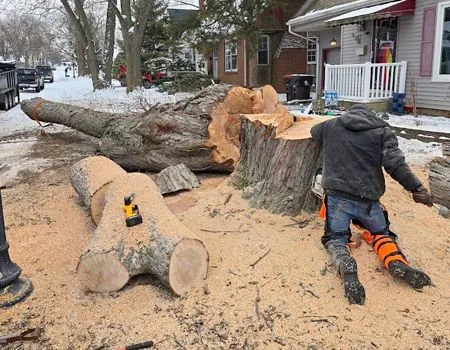
Get expert answers on tree removal & care. Contact Busy Beavers Wood Works for a free estimate today!
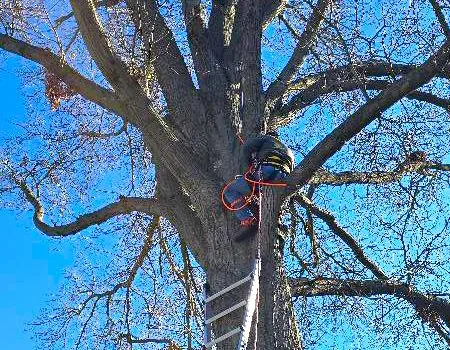
Learn the warning signs of unsafe trees. Contact us for an arborist evaluation and expert tree services to keep your property safe.
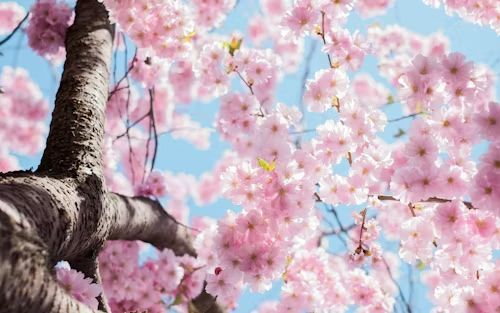
Learn why professional tree pruning is vital for health & safety. Contact Busy Beavers for expert tree care today!
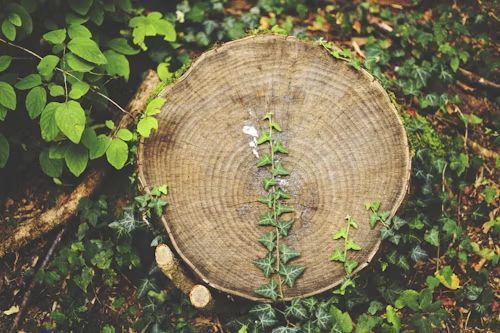
Get answers to common stump grinding & removal questions. Contact Busy Beavers Wood Works for expert services and a free estimate!
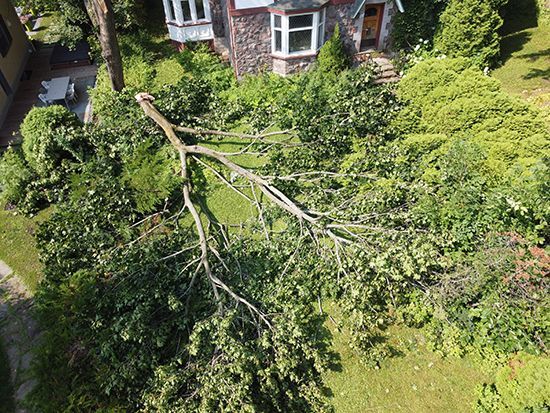
Learn about dead tree removal services for safety & health. Contact us for a free estimate today!
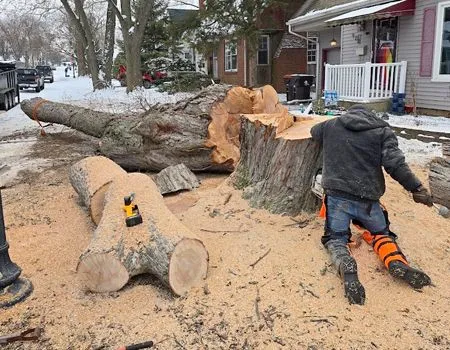
Learn when to call an arborist for tree removal. Contact Busy Beavers Wood Works for expert tree care and a free estimate.
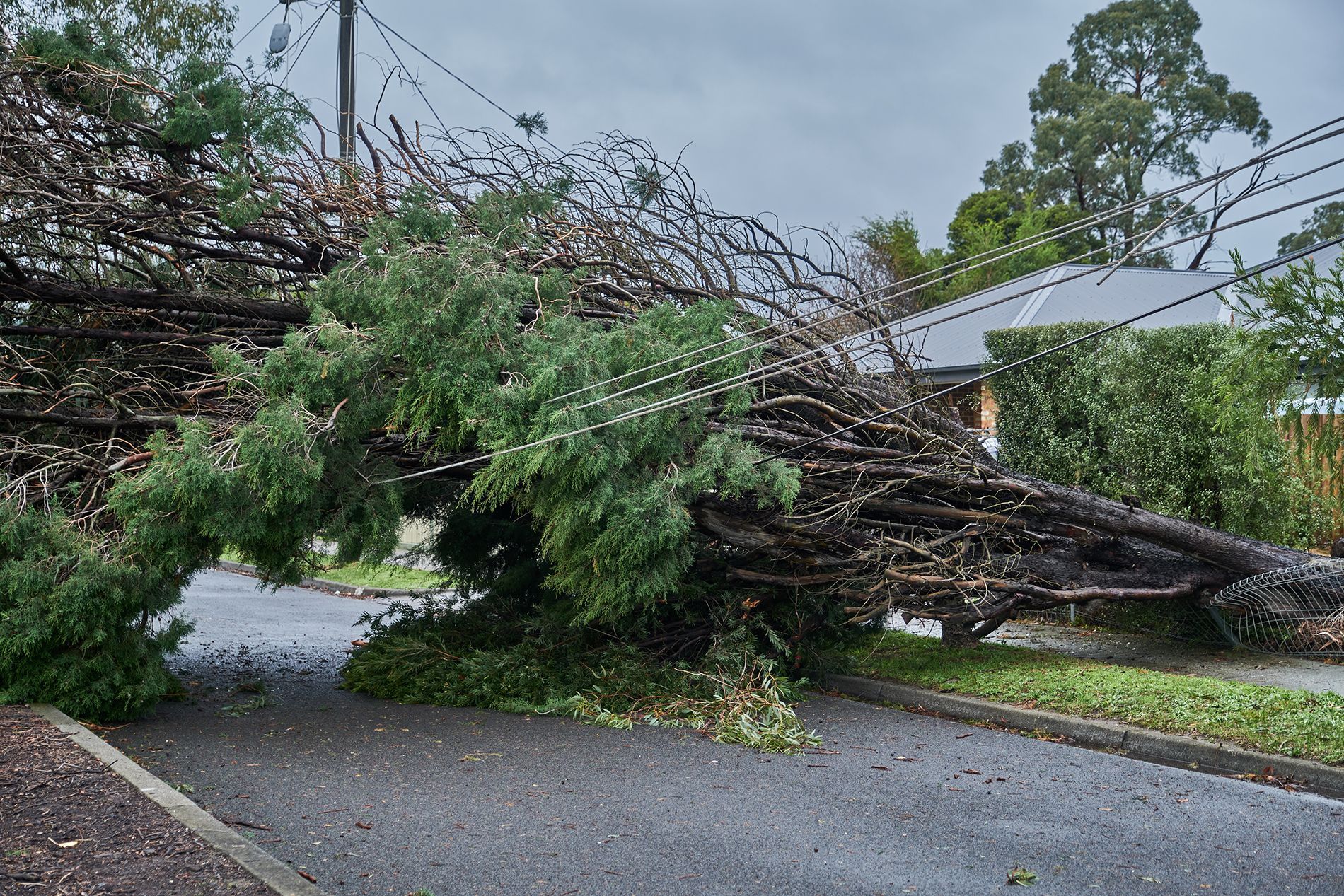
Learn why professional tree removal is safer than DIY. Trust Busy Beavers for expert services and a free quote today!